Biology
Chapter 17: 15-22 Fungi

Lecture
Fungi: Classification and Characteristics
WebLecture Topics
Fungi
Fungi (sing. fungus) include non-photosynthetic organisms with plant-like structures, but closer examination shows that the "roots" of fungi, their spores and life cycles, as well as the way that they gather nutrition, set them apart from the four classes of plants we've already studied.
Common Characteristics of Fungi
Fungi absorb their nutrients by injecting their soil or host with digestive chemicals that break down complex molecules from decaying organic matter into simpler components. Both the fungi and surrounding plant life then reabsorb these simpler molecules. The function of fungi as decomposers is essential for a healthy plant ecosystem.
Instead of real roots, most fungi have hyphae, long filaments of cells that form a mass called a mycelium. Some hyphae are divided into individual cells by cross walls, called septa. Fungi reproduce by creating spores that must be propelled by air. In some fungi, spores are created in fruiting bodies (the mushroom is a fruiting body). Gametes are produced from hyphae with two distinct nuclei (dikaryotic hyphae), so fungi are unusual in having cells with multiple nuclei.
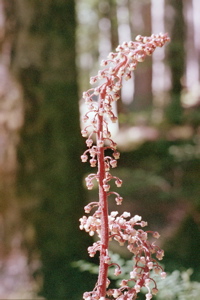
Fungi are important as saprotrophs, decomposers which break down decaying organic material and return it to simple inorganic compounds that can be used again. While some are parasites that are harmful to their hosts, others form mutualist relationships where both fungi and host benefit. Perhaps the most important of these relationships is mycorrhizae, where fungi grow ont he roots of plants. The fungi break down materials in the soil for the roots to absorb; the roots provide complex substances like sugars and start to the fungi. Many plants could not live in their current habitats without the help of mycorrhizae structures. The mycorrhizae-organism communities can be quite complex, and increase diversity elsewhere in the plant kingdom. Indian Pipe, Pinesap, Candystick, and Pinedrops (pictured) are all angiosperms or flower and seed-bearing plants that draw their nutrients from mycchorizae in an indirect symbiotic relationship with the organisms that support the fungal mycchorizae. They are an example of a three-way symbiosis that includes the pine or fir trees, mycorrhizae, and a saprophytic (non-chlorophyll producing) angiosperm.
Fungi also flavor our foods, providing us with many of our most interesting cheeses. Yeasts provide fermentation for beer and wine, and the gasses which make bread doughs rise. Other fungi aid the fermentation of soy sauce. Edible mushrooms add variety to our diet (but not much nutrition). Some fungi provide us with drugs such as penicillin or with hallucinogens like lysergic acid. Fungi are also important as plant parasites in the form of rusts, smuts, blights, mildews, and scabs that are responsible for major crop losses every year.
Types of Fungi
Until about three years ago, there were three recognized phyla of fungi.
- Zygomycetes (800 species) are decomposers that live on decaying plant or animal matter, or as parasites, and that reproduce sexually by forming specially spores called zygospores. Black bread mold is a zygomycetes.
- Ascomycetes (30,000 species) or sac fungi reproduce sexually by forming ascospores in a fruiting body and asexually by forming separate structures called conidia from the hyphae. Ascocarps include cup mushrooms and unicellular yeasts.
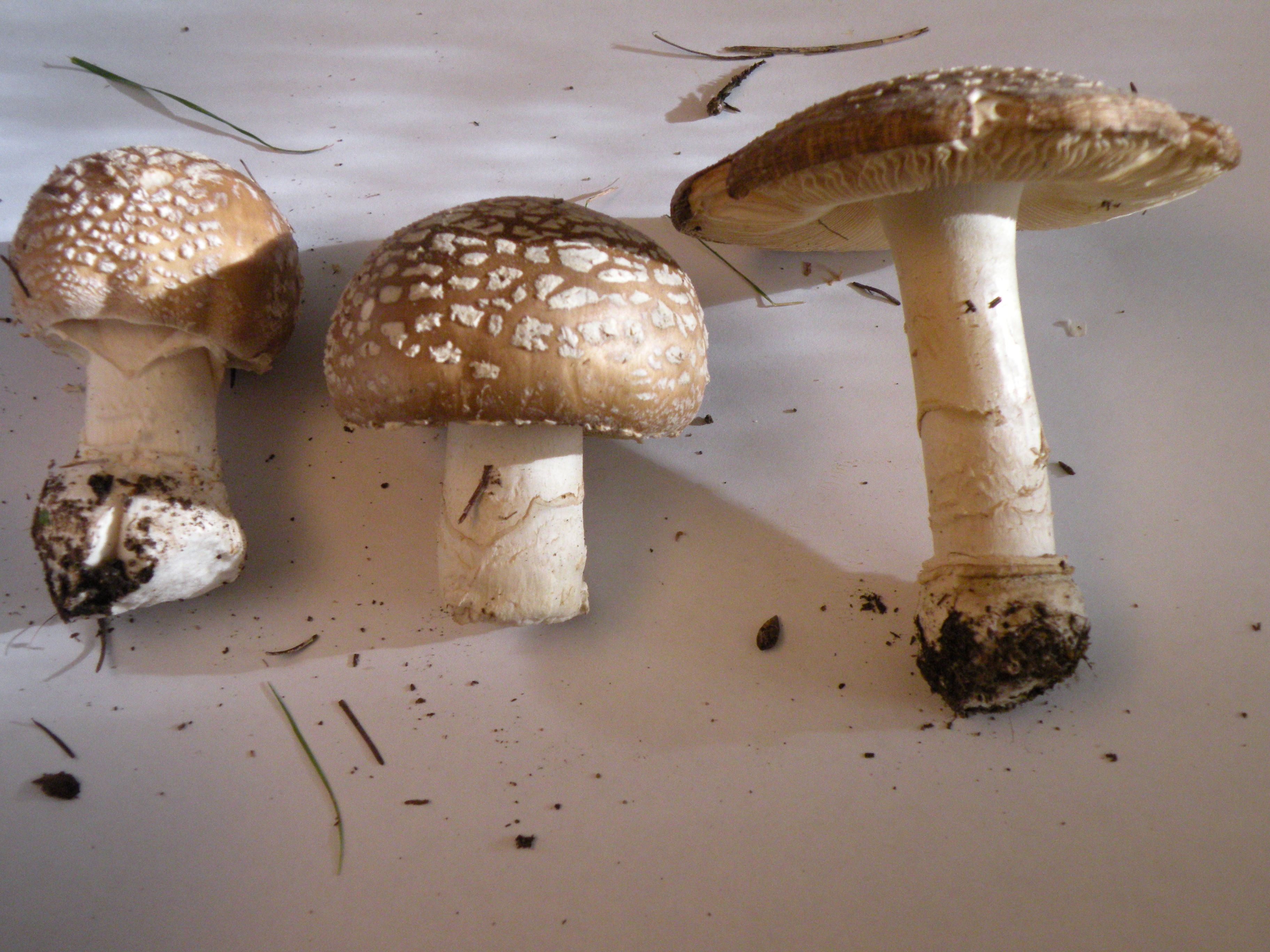
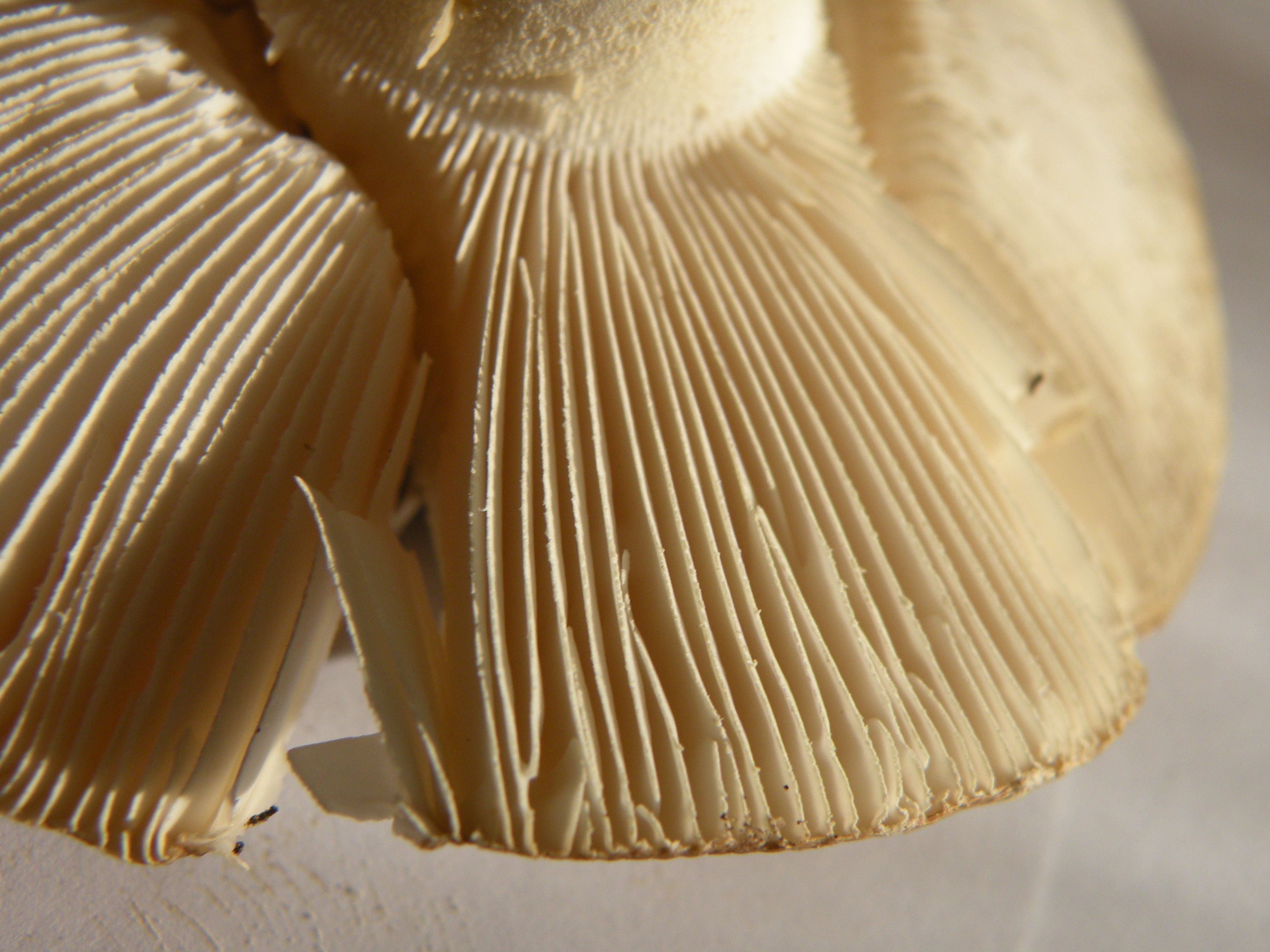
- Basidiomycetes (25,000 species) have a fruiting body (the mushroom) that produces basidiospore for sexual reproduction — the life cycle is shown in your text. The mycelium of a basiomycetes organism can become very large and endure underground in spite of natural disasters like forest fires: one structure in Northern Michigan is estimated (from its size and rate of growth) to be over 1500 years old, and another in Washington covers approximately 1500 acres.
More recently, biologists have recognized two new groups of organisms as most properly classified with fungi.
- Chytrids or chytrodiomycota (1000 species) are thought to be the simplest (an evolutionist would interpret that as earliest) form of fungal organisms. They break down chitin, a protein found in the skeletons of shellfish and insects, and keratin, a protein that occurs in many organisms, but especially in fur and hair. These fungi release spores with flagella (hence another name, zoosporic fungi, unlike any other fungi; they are also unique in lacking a true mycelium. Most are aquatic; some forms are unicellular, and many are parasitic, attacking both animals (frogs) and crops (alfalfa, potatoes, and corn). For more on Chytrids, check out the collection of pictures at the University of Alabama's Chytrids Fungi site.
- Glomeromycetes (200 species) were formerly classed with zygomycetes, but analysis of DNA convinced some biologists to group them separately. About 90% of the plants on earth exist in some kind of symbiotic relationship with glomeromycetes, which form structures called arbuscules inside their root cells. The arbuscules break down compounds that release phosphorus to the plant, and filter some of the stored nutrients in the plant root cells for sugars.
Fungi and Other Organisms
Strictly speaking, lichens are not fungi but are organisms which are symbiotic relationships between green algae, which use photosynthesis to produce food, and fungi which dissolve surface particles on rocks or in trees in order to extract the nutrients it needs.
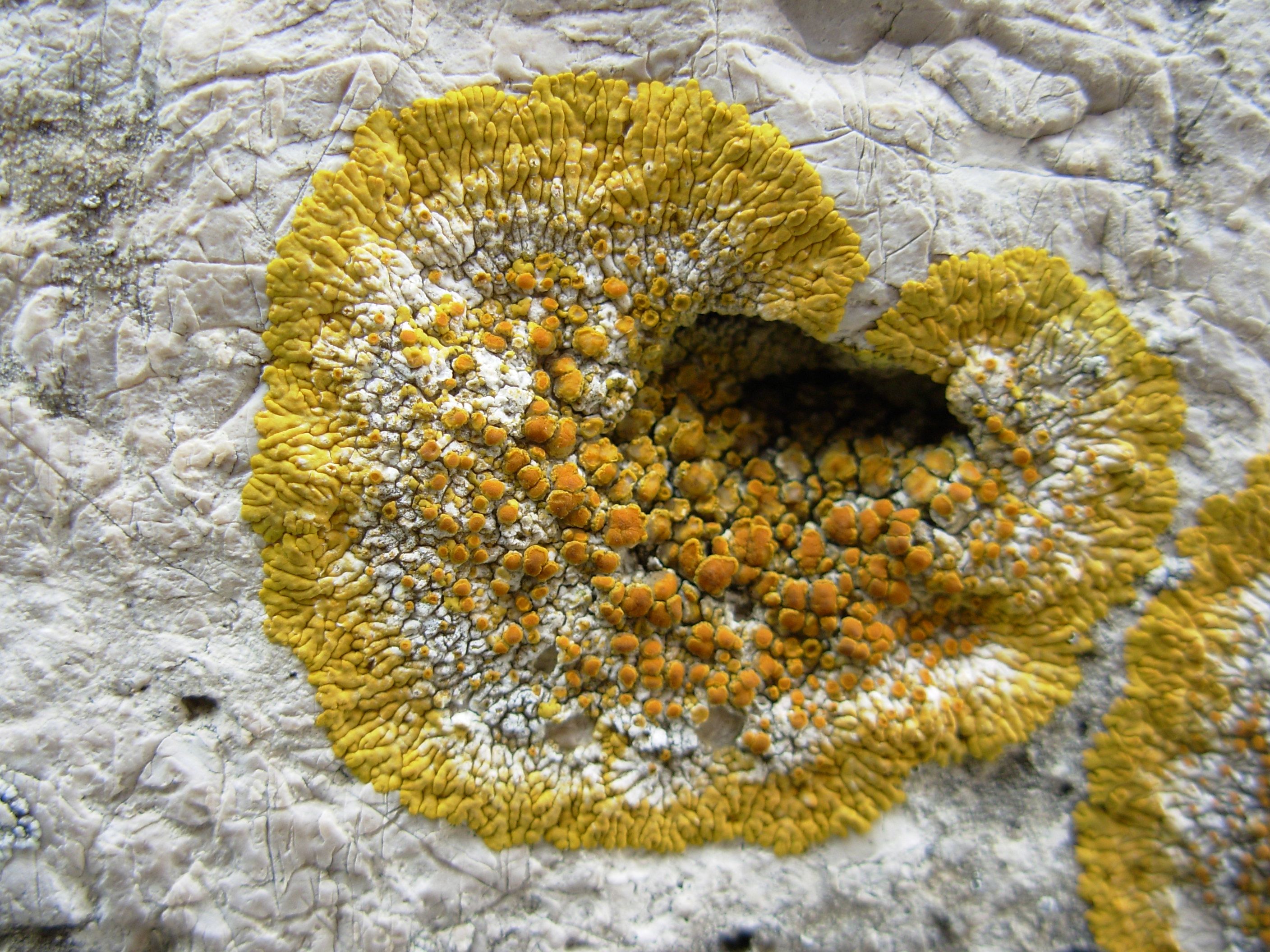
Lichen on wall surrounding Chartres Cathedral, France. © 2007 Christe Ann McMenomy
© 2005 - 2026 This course is offered through Scholars Online, a non-profit organization supporting classical Christian education through online courses. Permission to copy course content (lessons and labs) for personal study is granted to students currently or formerly enrolled in the course through Scholars Online. Reproduction for any other purpose, without the express written consent of the author, is prohibited.